
P P
✓
Fresh while rock melon, but expensive! Really refreshing
Fresh while rock melon, but expensive! Really refreshing
Price Range
$ 4.5 - $ 4.5
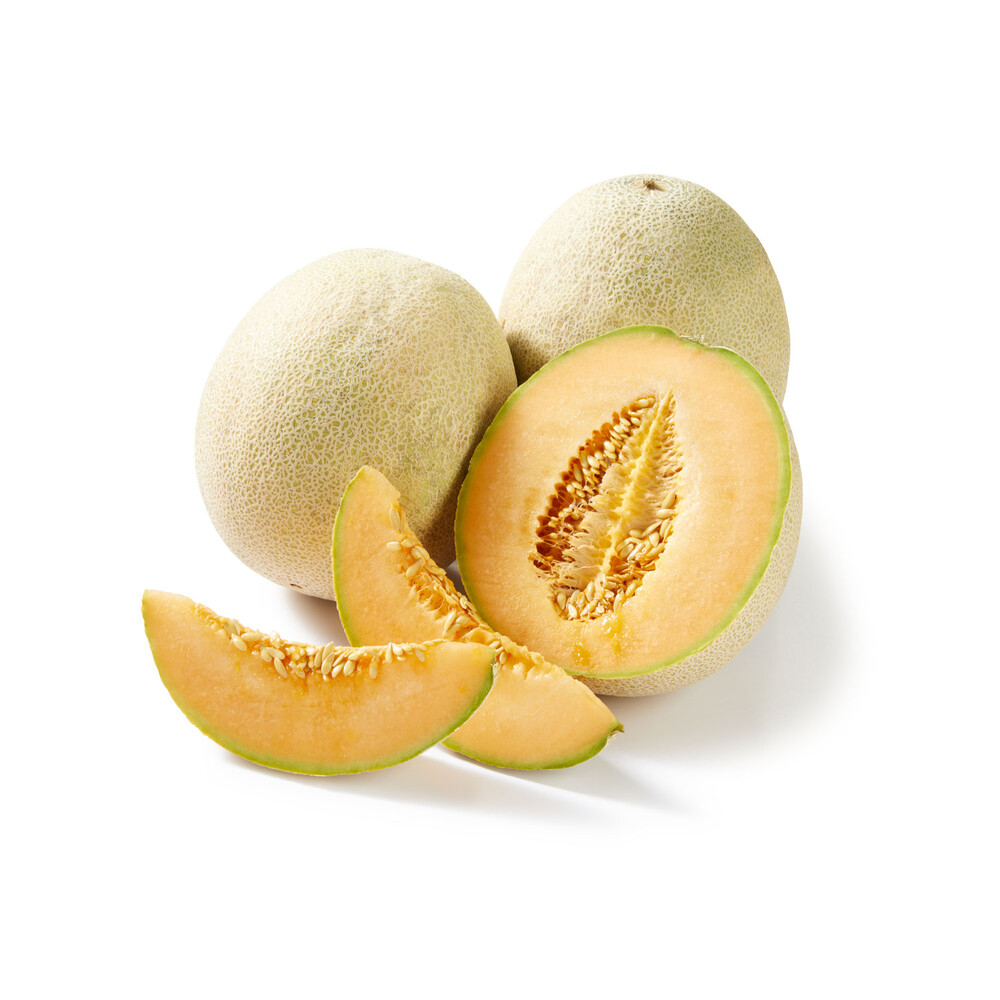
Rockmelon is also known as cantaloupe. It has a sweet, soft and somewhat slippery textured flesh. A whole rockmelon can be stored at room temperature but once cut, is best stores in the refrigerator.
Share this page
All reviews are collected by invitation after a verified purchase and reflect real ownership across online and in-store transactions.
P P
Mar 31, 2026
Fresh while rock melon, but expensive! Really refreshing

Lauren
Mar 23, 2026
great value and absolutely delicious. stated super fresh for well over a week cut up in a container. sweet and juicy, great flavour!

Lenny
Mar 19, 2026
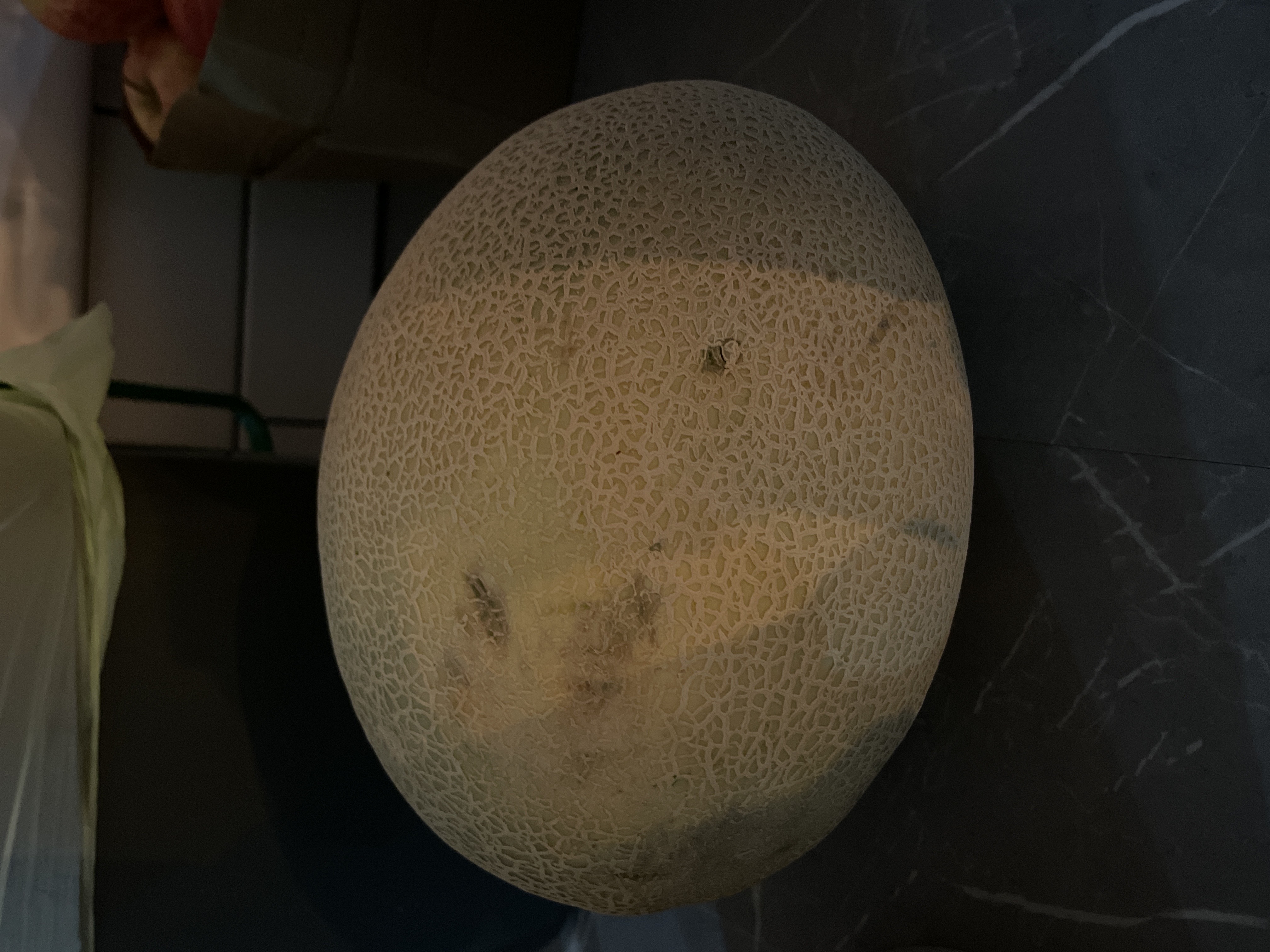
This rockmelon was absolutely delicious! It had a wonderful, sweet taste and the flesh was perfectly soft and juicy, exactly as one would reasonably expect. highly recommend it for a refreshing treat. thumbs up 👍

Annie
Mar 14, 2026
juicy and tasty rock melon. delicious and good quality. great fruit and bargain price

Ella
Mar 10, 2026
This rock melon is very affordable, sweet, and I can always tell the quality will be amazing. I am very impressed with the quality and sweetness for the price point

ashley
Mar 9, 2026
its my first time buying rockmelon at woolsworths but not the first time buying fruits. the experience before this has been good, this is why I bought rockmelon whole.

Kristie Humphries
Mar 6, 2026
my daughter love the to bits and can’t stop eating them they are her favourite


Karen Nina
Feb 14, 2026
Sweet and juicy these rock melons are easy to cut up into slices for anyone to eat with ease. Nice when added in to a fruit salad with Greek yoghurt. Good value for money at the moment.

Ms Adel
Feb 9, 2026
rock melon whole,is big .hard flesh and firm inside. at times it's very sweet, like this one.i usually slice it in half then make thin slices and we have it all times of the day.its full of vitamins, healthy fruit and snack.times I cut them in pieces and give them for a healthy snack for lunch box.i sometimes cut them in pieces put them in a plastic airtight container and freeze them in summer.great to have on a very hot day from the freezer.i also put some in fresh fruitsalad,or on a cheese platter.

Benny
Feb 6, 2026
beautiful rockmelon. it’s beautiful and sweet and is absolutely perfect. no blemishes or soft spots at all. they were very well priced and they had a lot in stock.

a_andria
Feb 6, 2026
delicious on a nice hot dish not dah especially when it’s been in the fridge! good price for the amount of melon you get too


Nethra
Feb 5, 2026
The rockmelon is sweet , juicy and firm. great for this summer season. great option for snacking or fruit salads. very affordable price.
amy
Jan 27, 2026
it’s not sweet enough and lacks a strong melon aroma


Pat Boost
Jan 13, 2026
price is ok. will have to ripen a bit more before being good to eat

I
Jan 12, 2026
Always fresh and flavourful, no issues with bruising etc.

Eleni de Vries
Dec 30, 2025
this rockmelon was super sweet almost like it was soaked in honey. the texture was firm and not overripe. the outside smelled sweet before I even cut it. there wasn’t too many seeds.

Hirna Panchal
Dec 18, 2025
the sweetest rockmelon i got in longest time.

xxxpinkbear@hotmail.com
Nov 29, 2025
these rock melons taste amazing. so juicy and fresh. great for fruit salads.

Joyce Lu
Nov 29, 2025
I bought it at Woolies, and it’s incredibly sweet! I’m very satisfied and will definitely go back to buy it again!

Guiseppe Demaio
Nov 19, 2025
this rock melon was amazing it’s sweet cold and healthy brought it at woolies

Andrea Mora
Nov 16, 2025
Very good! one of my favourite fruits to eat. someone said that the best trick to pick the best rockmelon was to look for the colour and it never disappoints!

Jayde
Nov 14, 2025
so yummy and definitely in season, was very fairly priced. will buy again

Natasha Tran
Nov 10, 2025
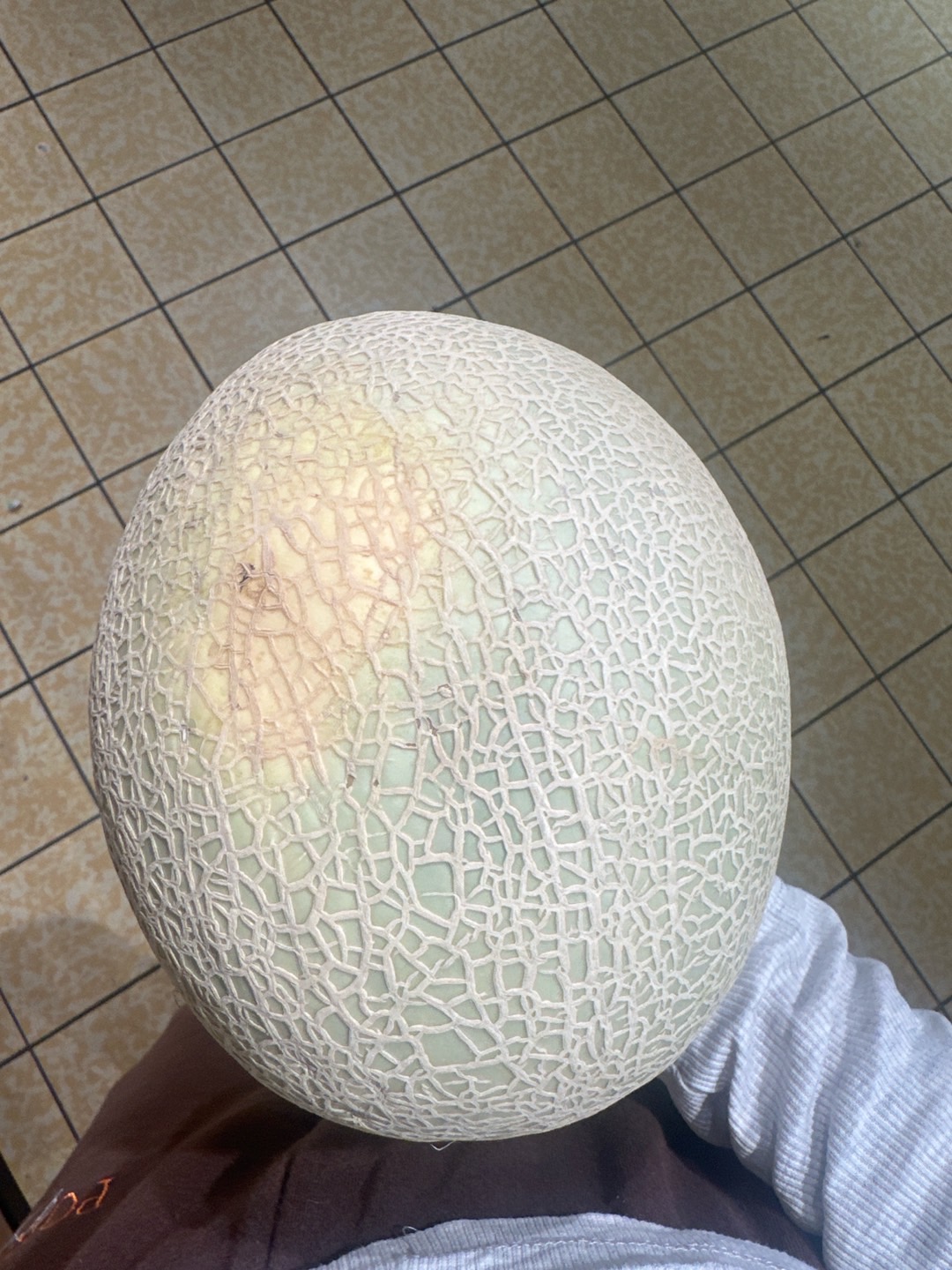
rockmelon was sweet and easy to cut. it is $4 each at Aldi which is pretty good. great for a morning snack and sweet tooth
Benny
Nov 8, 2025
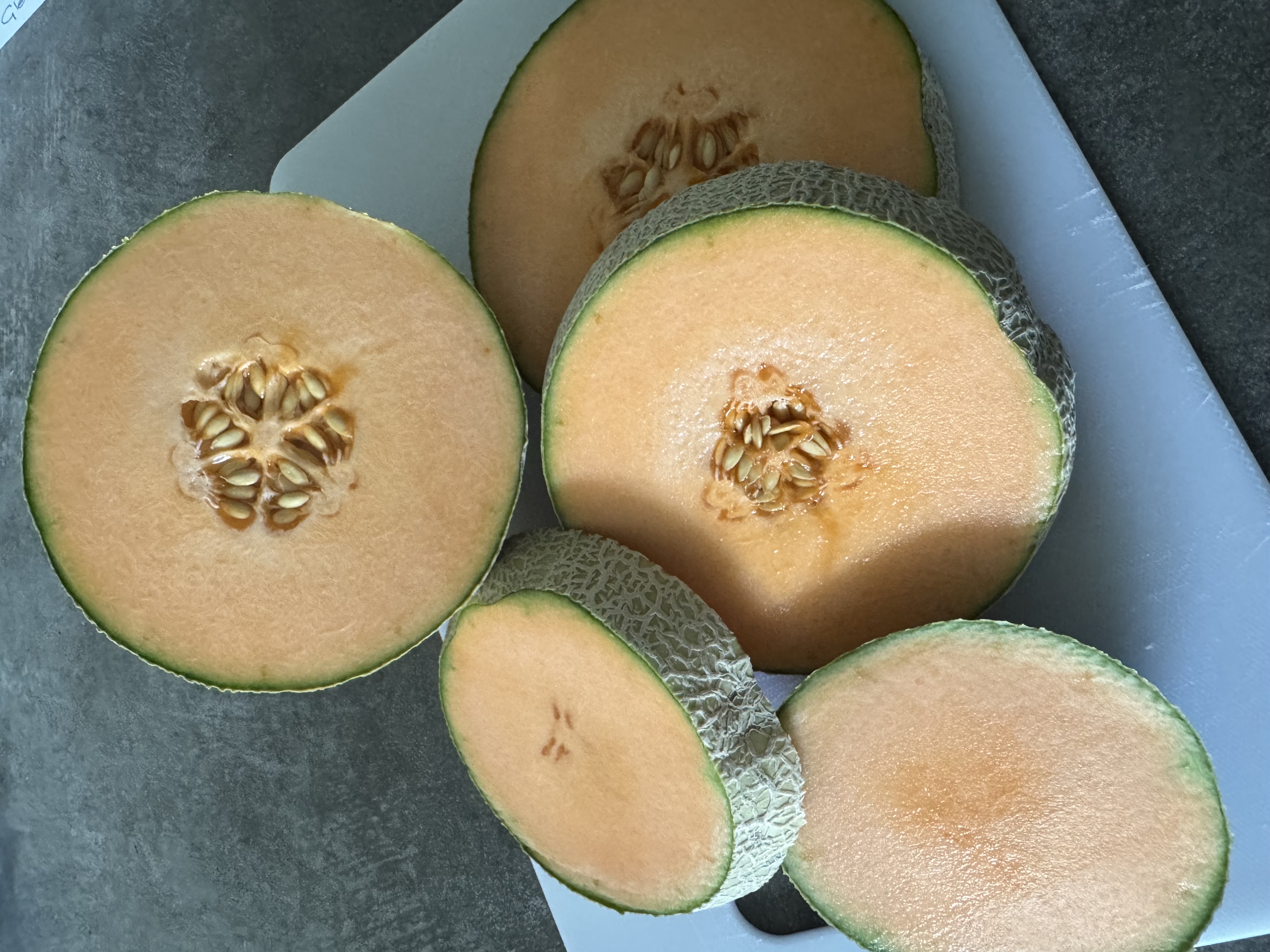
beautiful rockmelon. nice and sweet and very fresh. the prices on rockmelon are starting to come down a little which is good. perfect for a fruit platter of just to eat on its own. so nice and sweet it helps with sugar cravings
Nethra
Nov 5, 2025
The rock melon is sweet and very refreshing fruit. they are good source of fiber. very good for digestion.
MD ZAHED ULLAH
Oct 18, 2025
✅ Positives / Benefits 1. Good nutritional value • Low in calories yet hydrating (high water content).  • Contains vitamin C, beta-carotene (precursor to vitamin A), potassium, folate, and antioxidants.  • Provides dietary fiber (though modest), aiding digestion.  2. Hydration Because it’s mostly water, rockmelon helps with fluid intake, especially in hot weather or for light snacking. 3. Sweet, refreshing taste and versatility It’s a pleasant, mildly sweet fruit that works in fruit salads, smoothies, desserts, or simply eaten fresh. 4. Colour / phytochemicals The orange flesh is due to carotenoids, which are beneficial for eye health, immunity, and antioxidant protection.  5. Local / seasonal benefits In Australia, rockmelon is grown domestically. Buying in season or local cuts down on transport time, better freshness, and lower carbon footprint. 6. Potential emerging benefits from rind / seeds (experimental) Some research suggests that compounds in the rind or seeds may have anti-cancer or bioactive effects (in laboratory settings) though these are not established for dietary use.  ⚠️ Negatives / Risks / Limitations 1. Food safety / contamination risk • Rockmelons have a textured skin (netted rind) that can trap dirt, bacteria, or pathogens which are hard to wash off thoroughly.  • There have been confirmed outbreaks of Listeria linked to rockmelons in Australia. For example, in 2018, a listeriosis outbreak tied to rockmelon led to deaths and infections.  • Also, Salmonella has been implicated in rockmelon cases.  • Because it is low in acidity and once cut, the interior is susceptible to bacterial growth, especially if left out of refrigeration.  2. Shelf life / spoilage Whole rockmelon, once ripe, will deteriorate. After cutting, the exposed flesh must be refrigerated and used quickly to avoid spoilage or bacterial growth. 3. Sugar content / glycemic effect Though natural, rockmelon contains sugars/carbohydrates, so overconsumption by people watching blood sugar (e.g. diabetics) should be mindful. 4. Allergies / sensitivities Some people may be sensitive or allergic to melons; cross-reactivity with certain pollens is known in some individuals. 5. Portion control & waste Because it’s a large fruit, sometimes only parts get eaten; unused portions may go to waste or degrade in the fridge. Also, seeds and rind are discarded (though rind may have experimental uses). 6. Nutrient dilution / modest fiber While it provides many micronutrients, the amount of fiber is modest, so it should be part of a broader diet including other fiber-rich foods

MzGreen dom
Oct 17, 2025
my absolute favourite fruit in the world. especially when cool on a nice summer's day. delicious

Pete
Oct 9, 2025
pretty good value and quite juicy and tasty so far for the ones we have grabbed.

Ruqaiya N
Oct 5, 2025
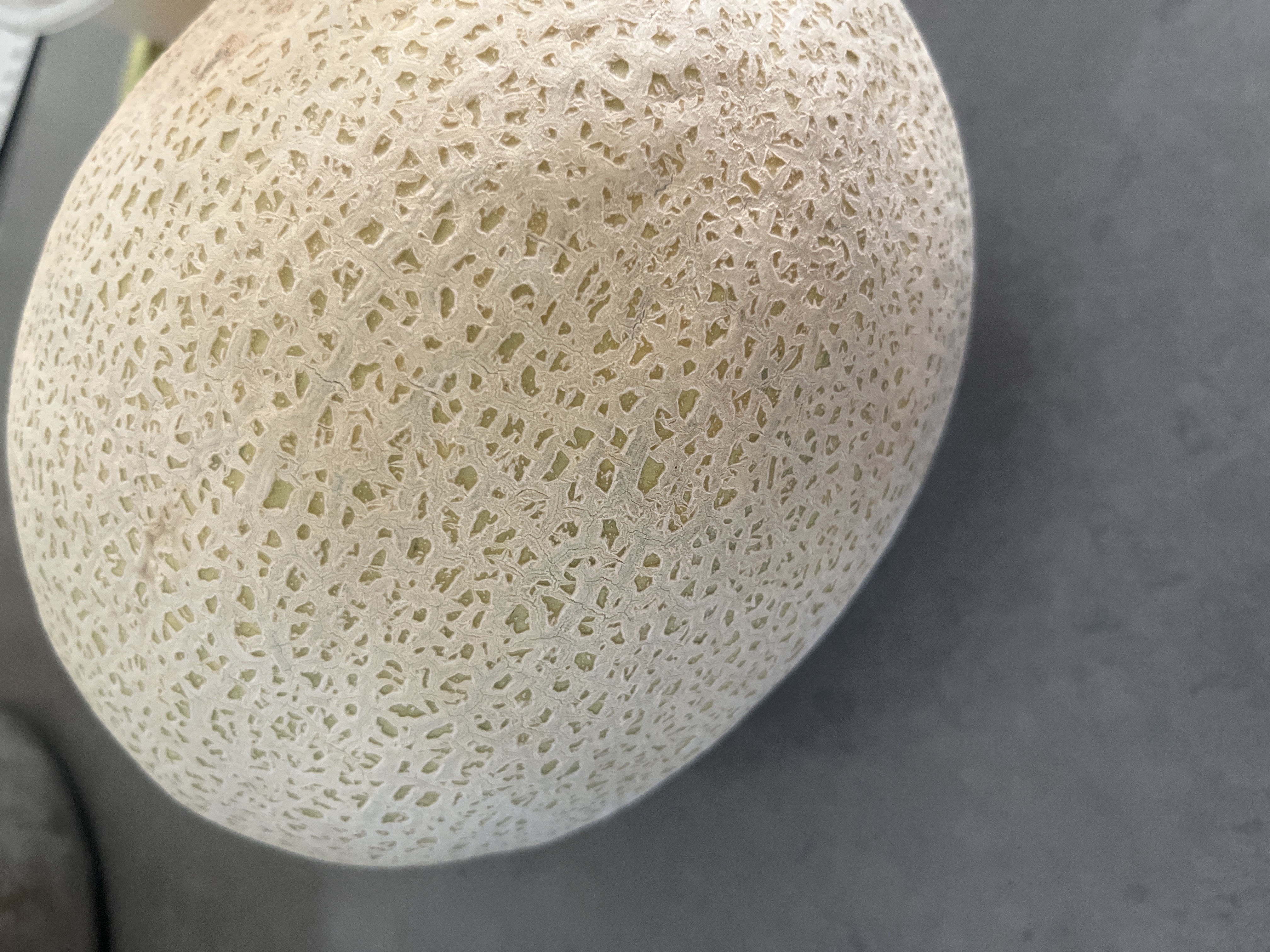
Really fresh and juicy! The rockmelon had a lovely natural sweetness and firm texture — perfect for breakfast, smoothies, or a light snack. It was fragrant and ripe without being overly soft. Great quality and value, especially when chilled before eating.

Kate Hannant
Sep 30, 2025
Really nice quality Aussie fruit! Super sweet and juicy, this rockmelon was ready for eating and the taste did not disappoint.
Showing 30 of 57 reviews
Load more reviews