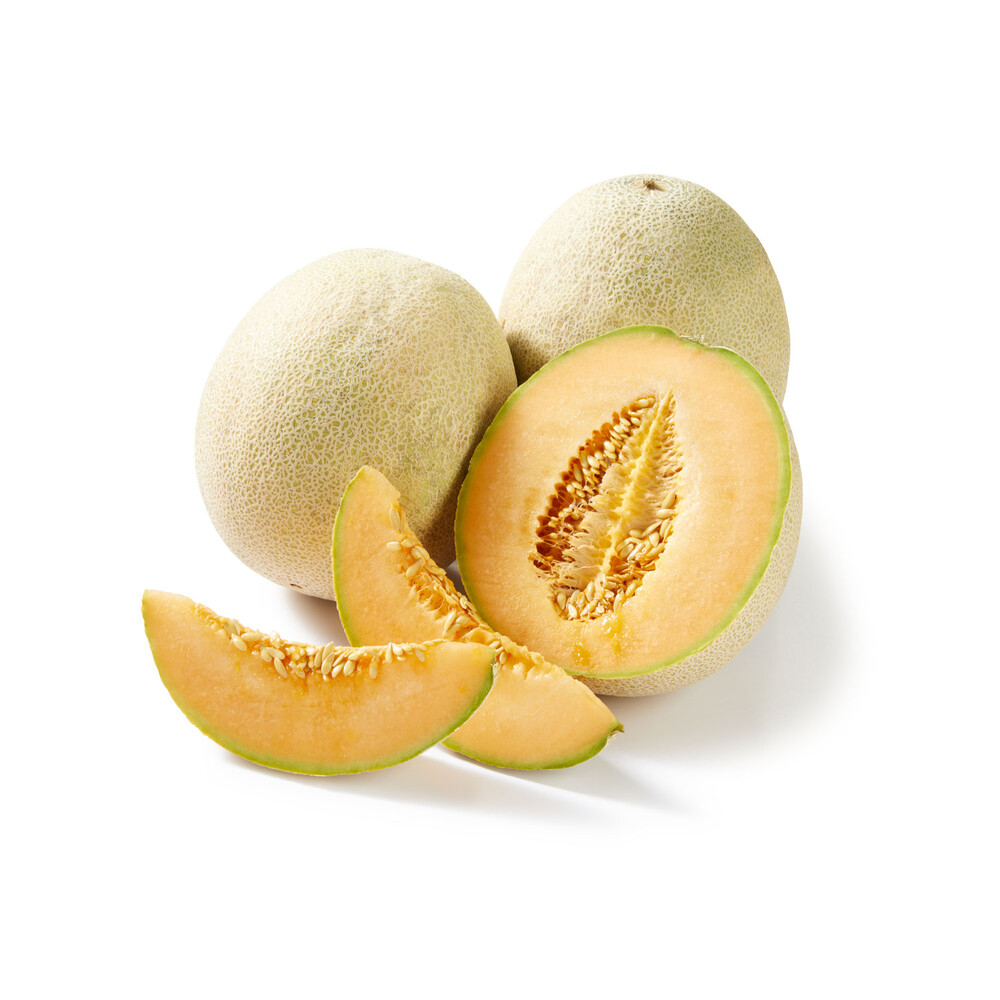
✅ Positives / Benefits 1. Good nutritional value • Low in calories yet hydrating (high water content).  • Contains vitamin C, beta-carotene (precursor to vitamin A), potassium, folate, and antioxidants.  • Provides dietary fiber (though modest), aiding digestion.  2. Hydration Because it’s mostly water, rockmelon helps with fluid intake, especially in hot weather or for light snacking. 3. Sweet, refreshing taste and versatility It’s a pleasant, mildly sweet fruit that works in fruit salads, smoothies, desserts, or simply eaten fresh. 4. Colour / phytochemicals The orange flesh is due to carotenoids, which are beneficial for eye health, immunity, and antioxidant protection.  5. Local / seasonal benefits In Australia, rockmelon is grown domestically. Buying in season or local cuts down on transport time, better freshness, and lower carbon footprint. 6. Potential emerging benefits from rind / seeds (experimental) Some research suggests that compounds in the rind or seeds may have anti-cancer or bioactive effects (in laboratory settings) though these are not established for dietary use.  ⚠️ Negatives / Risks / Limitations 1. Food safety / contamination risk • Rockmelons have a textured skin (netted rind) that can trap dirt, bacteria, or pathogens which are hard to wash off thoroughly.  • There have been confirmed outbreaks of Listeria linked to rockmelons in Australia. For example, in 2018, a listeriosis outbreak tied to rockmelon led to deaths and infections.  • Also, Salmonella has been implicated in rockmelon cases.  • Because it is low in acidity and once cut, the interior is susceptible to bacterial growth, especially if left out of refrigeration.  2. Shelf life / spoilage Whole rockmelon, once ripe, will deteriorate. After cutting, the exposed flesh must be refrigerated and used quickly to avoid spoilage or bacterial growth. 3. Sugar content / glycemic effect Though natural, rockmelon contains sugars/carbohydrates, so overconsumption by people watching blood sugar (e.g. diabetics) should be mindful. 4. Allergies / sensitivities Some people may be sensitive or allergic to melons; cross-reactivity with certain pollens is known in some individuals. 5. Portion control & waste Because it’s a large fruit, sometimes only parts get eaten; unused portions may go to waste or degrade in the fridge. Also, seeds and rind are discarded (though rind may have experimental uses). 6. Nutrient dilution / modest fiber While it provides many micronutrients, the amount of fiber is modest, so it should be part of a broader diet including other fiber-rich foods
Share this page
This review is from a verified purchase
Share Your Experience
Have you used this product? Share your review in the Shping app
Write a Review with Shping App